Material Writer-Goldberg Goodwin
Should you're thinking about laser ocular surgery to correct your vision, you could have encountered the SMILE procedure technique. Abbreviated for its unique methodology, SMILE eye surgery is an effective and gentle option for those looking to correct myopia. With the advancement of techniques in the field of eye care, many individuals are discovering that SMILE offers unique benefits that make it different from traditional laser eye surgeries like LASIK and PRK.
In this discussion, we will discuss what SMILE eye surgery entails, including how the surgery works, its price, and the healing time. We'll also discuss the various benefits that make SMILE an attractive choice for many individuals, especially those with myopia. Additionally, we will contrast SMILE surgery to other laser vision surgery options to help you reach an knowledgeable choice about the best choice for your vision.
What does SMILE Eye Surgery?
SMILE Eye Surgery, also known as S.M.I.L.E., represents a state-of-the-art less invasive laser vision correction procedure. This cutting-edge technique is mainly intended to correct myopia, also known as nearsightedness. Unlike traditional LASIK surgery, that involves creating a corneal flap, SMILE uses a small incision to extract a lenticule of tissue from within the cornea, reshaping it to improve vision.
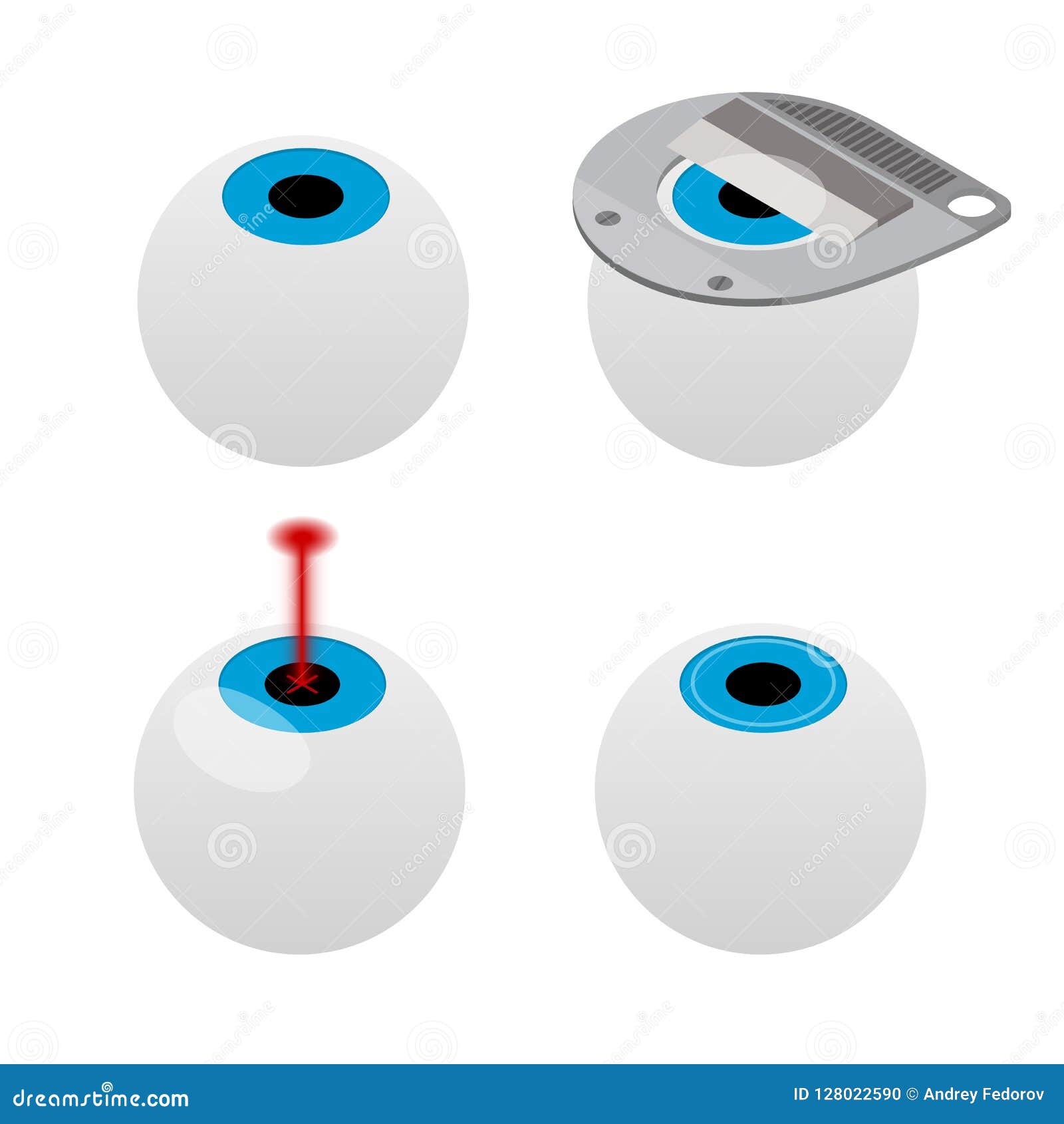
The SMILE procedure starts with the use of a femtosecond laser to form a thin lens or lenticule inside the cornea. After the lenticule is formed, a small incision is made to remove it. This approach allows for a greater stability in the corneal structure post-surgery, reducing the potential risks linked to corneal flaps. The complete process is fast, typically taking around half an hour for both eyes. The precise laser technology contributes to enhanced accuracy and safety.
One of the key advantages of SMILE Eye Surgery is its suitability for patients who may not be ideal candidates for alternative laser surgeries, such as LASIK surgery. By offering a more gentle alternative, SMILE effectively treats various eye conditions effectively. Patients can enjoy quick recovery and better vision with minimal discomfort, making SMILE a preferred option among those looking for surgery for vision correction.
Benefits of SMILE Eye Surgery
Small Incision Lenticule Extraction eye surgery provides a variety of advantages that make it an enticing option for those seeking vision correction. One of the key benefits is its less invasive nature. Unlike traditional LASIK, which involves creating a flap in the corneal tissue, the Small Incision Lenticule Extraction procedure requires only a small cut. This means less interference to the eye surface, promoting faster healing and lowering risk of complications. Numerous patients value this gentler approach, which often leads to a much comfortable experience during and after the surgery.
A further important benefit of SMILE eye surgery is the maintenance of cornea integrity. By using a small, precise incision, SMILE aids retain a larger portion of the corneal tissue as in comparison with other vision correction procedures. https://drive.google.com/file/d/1Gbag_YfMOiA6t-42lgC3zBEDUzs-_Q_9/view?usp=sharing can contribute to enhanced long-term corneal health and stability, making it especially suitable for people with prematurely thin corneas. As a consequence, patients can experience excellent vision outcomes with fewer risk of post-surgical complications.
In addition, the recovery process for SMILE eye surgery is typically quicker than that of other laser procedures. Most patients experience substantial improvements in their vision nearly immediately, with many being able to return to their daily activities within a day or two. https://www.medicalnewstoday.com/articles/laser-eye-surgery , combined with the long-lasting results and reduced side effects, makes SMILE an increasingly popular choice for those dealing with nearsightedness or myopia.
Expense and Post-Operative Care of SMILE Surgery
Grasping the expense of SMILE eye surgery is essential for those evaluating this procedure. The expense for SMILE laser eye surgery can vary significantly according to factors such as the doctor's expertise, the technology used, and the regional site of the clinic. On average, patients can expect pay between 2,000 to 3,000 dollars per eye. While this may seem like a substantial investment, many find that the long-term cost savings on glasses and contact lenses make it a worth it expense.
Post-Operative Recovery from SMILE eye surgery usually involves minimal downtime, which is one of its significant advantages. Patients often notice improved vision within a day or two following the procedure, with most going back to their daily routines within a week. It is crucial to follow post-operative care guidelines provided by the physician, including avoiding heavy activities and using prescribed eye drops to aid healing.
Though recovery is generally swift, it's crucial to be aware of potential complications. Some patients may suffer from dry eyes or visual disturbances temporarily after the surgery. However, these symptoms usually go away within a few weeks. Regular follow-up check-ups will help monitor progress and address any concerns during the recovery phase, guaranteeing a smooth transition to clearer vision.
Small Incision Lenticule Extraction vs Photorefractive Keratectomy: An Overview
In the realm of refractive eye surgeries, SMILE and PRK stand out as preferred options. SMILE, which refers to Small Incision Lenticule Extraction, is a minimally invasive procedure that employs a femtosecond laser to extract a small lenticule of tissue from the cornea, reshaping it to improve vision. Conversely, PRK, or Photorefractive Keratectomy, entails the excision of the epithelial layer of the cornea to reshape the underlying tissue directly with an excimer laser. Although both procedures aim to enhance vision, their approaches and aftercare routines vary significantly.
One of the main distinctions between Small Incision Lenticule Extraction and Photorefractive Keratectomy is the recovery experience. SMILE typically offers faster recovery times with reduced discomfort due to the minimal incision and low disruption to the cornea’s surface. Patients generally notice improvements in their vision within a few days. On the other hand, Photorefractive Keratectomy can necessitate a longer healing period since the epithelial layer must regenerate, and patients may experience more discomfort and variable vision during their recovery. This can affect daily activities, making SMILE an appealing option for those seeking quicker results.
Cost is another crucial consideration when comparing SMILE and Photorefractive Keratectomy. Although the Small Incision Lenticule Extraction surgery cost is often more expensive than Photorefractive Keratectomy due to the advanced technology and equipment used, numerous individuals find the advantages justify the expense. However, some patients may choose Photorefractive Keratectomy as a cost-effective alternative that also offers effective ocular improvement. Assessing personal needs, finances, and preferences for each option can assist potential patients make an informed decision about which surgery best suits their ocular correction goals.